


| Quantity: | |
|---|---|


Organic E1414 Dairy-Food Modified Starch is a highly specialized food additive engineered to resolve complex textural challenges in commercial food production. Presenting as a fine, white powder with a completely neutral aroma, it integrates into recipes without masking or altering delicate flavor profiles. As a pregelatinized modified starch, it dissolves rapidly in cold water, bypassing the energy-intensive heating phases required by traditional starches. This ingredient demonstrates extraordinary resilience, maintaining its structural integrity and thickening power even when subjected to high-temperature baking, low-pH acidic environments, and intense mechanical shear forces. Manufacturers rely on this organic food additive to achieve precise viscosity control, ensuring a smooth, glossy finish in demanding applications like fruit-bottom yogurts, savory sauces, and ready-to-eat meals.
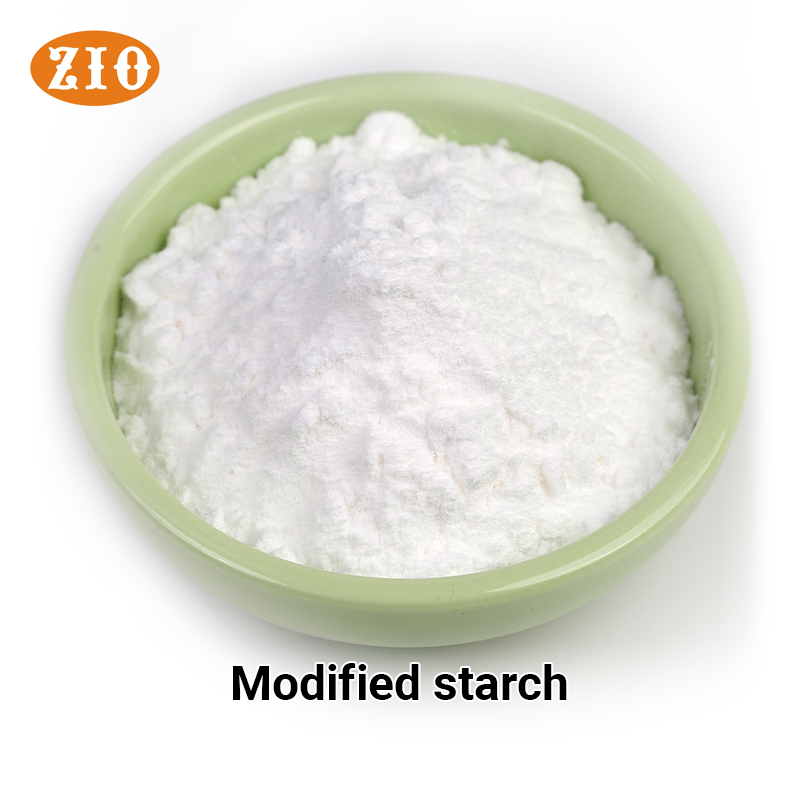
The foundation of this premium thickener lies in organically cultivated starch extracted from renewable natural sources, including corn, potatoes, wheat, and cassava. Through an advanced, carefully monitored modification process, the molecular structure is optimized to enhance functional performance without the introduction of synthetic chemicals.
By utilizing these carefully selected natural components, food developers can achieve a creamy mouthfeel and stable suspension in their recipes. The absence of harsh chemical residues guarantees safety and transparency, meeting the strict entry standards of global food markets while supporting sustainable manufacturing initiatives.
As a premium thickener and gelling agent, this pregelatinized modified starch drastically improves the physical texture of food items. It transforms thin, watery liquids into rich, velvety bases and gives candies a satisfying, chewy elasticity. When incorporated into pasta or extruded snacks, it imparts a smooth surface and a refined, consistent bite, elevating the overall sensory experience and mouthfeel for the end consumer.
In confectionery applications, this modified starch functions effectively as a structural filling and sugar-coating binder. It creates a protective barrier that prevents moisture migration, surface cracking, and discoloration over time. For processed meats, it actively inhibits color fading and syneresis (moisture weeping), ensuring the slices remain visually appealing, succulent, and fresh throughout their extended display period in refrigerated cases.
Featuring extraordinary water absorption and retention metrics, the starch creates a stable internal matrix that binds free water. This mechanism is vital for preventing dryness and staling in baked goods. In dairy and meat matrices, it guarantees that the emulsion remains intact even after multiple freeze-thaw cycles, maintaining a uniform consistency from the production facility all the way to the dining table.
By maximizing water retention and providing exceptional thickening power, this food additive allows manufacturers to optimize their formulas economically. It significantly reduces the reliance on expensive primary raw materials and artificial preservatives. The natural tenderizing and color-stabilizing effects mean fewer synthetic colorants are needed, directly improving the economic yield and output rate of the finished goods without compromising on sensory quality.
To accelerate research and development, this versatile ingredient adapts effortlessly to various production processes. It serves as a superior functional replacement for native starches, offering targeted industrial guidelines for core categories:
| Application Category | Recommended Usage & Core Function |
|---|---|
| Yogurt & Cultured Dairy | Improves viscosity, prevents whey separation in acidic conditions, and creates a creamy texture. |
| Processed Deli Meats | Acts as a powerful binder to increase moisture retention, yield, and sliceability in sausages. |
| Bakery Fillings & Sauces | Provides bake-stability, prevents boil-out during high-temperature baking, and resists high shear. |
When integrated into yogurt, sour cream, and dairy desserts, it significantly increases the fluid viscosity and visual transparency. The starch particles swell uniformly, creating a richer, creamier flavor profile that coats the palate pleasantly. Its superior formability and controlled melting properties make it an indispensable organic food additive for eco-conscious dairy manufacturers aiming to replace conventional, less stable starches while delivering enhanced performance.
To ensure optimal performance and longevity, store the pregelatinized modified starch in its original 25kg industrial-grade, moisture-proof multi-layer paper bags. These specialized bags are designed to protect the fine powder from ambient humidity and potential contamination. When kept in a sealed container within a dry, well-ventilated warehouse away from direct sunlight and extreme temperature fluctuations, the product maintains a highly stable shelf life of up to 24 months, facilitating safe bulk storage and distribution.
Precision in formulation is critical for achieving the desired textural outcomes. Utilizing the recommended industrial dosage based on the specific food matrix ensures the target viscosity is reached without causing a gummy or overly dense texture. Food scientists should conduct phased pilot tests to pinpoint the exact inclusion rate, as over-application may alter the intended mouthfeel and consistency of delicate items like light sauces, beverages, or dairy desserts.
While highly versatile, when blending this starch with other hydrocolloids (such as gums or pectins), emulsifiers, or active preservatives, it is advisable to perform a compatibility screening. Observing the hydration rate and gel network formation in a controlled laboratory setting helps prevent unexpected phase separation or adverse textural reactions that could compromise the structural integrity and safety of the final commercial batch.
Always align usage levels with regional and international food safety regulations governing modified starch applications. For brands marketing under clean-label or organic banners, strictly adhere to the certification requirements of the target market. Maintaining meticulous records of the ingredient's organic origin and processing methods guarantees smooth regulatory audits and reinforces consumer transparency.
It delivers exceptional results in complex formulations such as acidic fruit yogurts, processed deli meats, chewy confectionery, and bake-stable pastry fillings. Any product requiring enhanced structural stability, superior moisture retention, or a prolonged shelf life under fluctuating storage conditions will see immediate textural improvements.
Yes, as a certified organic food additive, it strictly adheres to global organic processing standards. It is cultivated and refined without synthetic pesticides or harsh chemical modifiers, making it an excellent, compliant choice for brands dedicated to clean-label and organic-certified food portfolios.
Absolutely. It functions as an advanced, high-performance alternative to native corn, wheat, or cassava starches. Because it is pregelatinized, it hydrates instantly in cold water—bypassing the heating phase required by native starches—while offering vastly superior resistance to high shear, extreme heat, and acidic environments.
In meat processing, it acts as a powerful binder that traps free moisture and natural juices within the protein matrix. This prevents unsightly color degradation and weeping in the packaging. Furthermore, by increasing the overall yield and structural firmness, it reduces the necessity for artificial fillers or extra texturizing additives.
There are no functional restrictions. In fact, its exceptional water-binding capacity and low-pH tolerance make it highly effective for cultured dairy items like yogurt and sour cream. It enhances the creamy mouthfeel, prevents whey separation (syneresis), and boosts overall viscosity without masking the delicate dairy flavors.
