
Views: 0 Author: Site Editor Publish Time: 2025-09-11 Origin: Site


Meta Description: Discover everything about Vitamin C, including its benefits, top foods, recommended intake, supplementation tips, skin advantages, and deficiency symptoms.

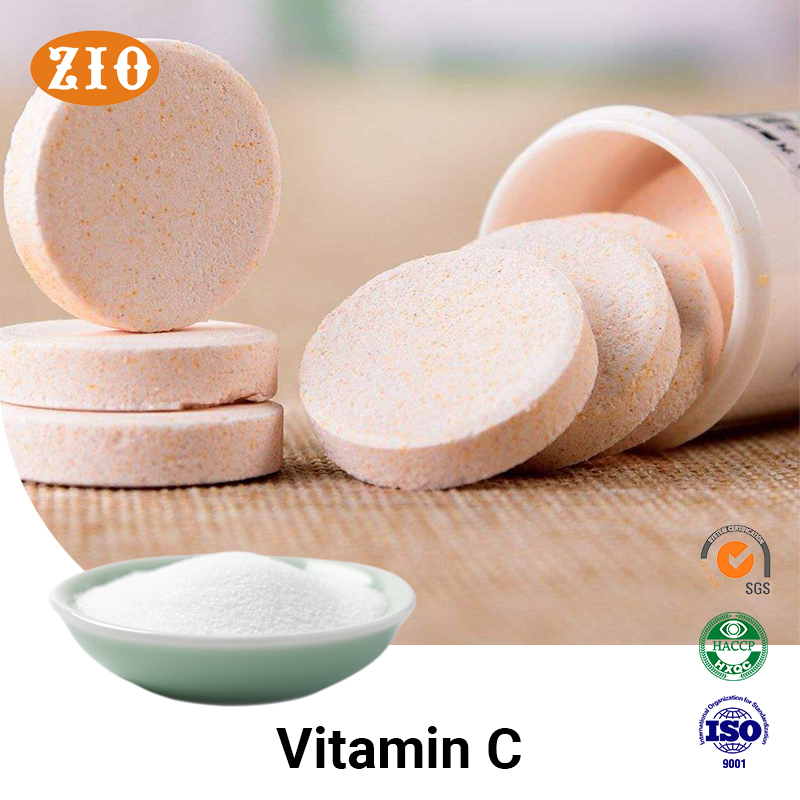
Vitamin C, also called ascorbic acid, is a water-soluble vitamin essential for human health. Unlike most animals, humans cannot synthesize Vitamin C, so it must be obtained through diet or supplements. It plays a critical role in immunity, collagen synthesis, wound healing, antioxidant defense, and overall body function.
Key Functions of Vitamin C
Collagen Formation: Essential for skin, bones, joints, and connective tissue.
Antioxidant: Protects cells from free radical damage.
Immune Support: Stimulates white blood cell production to fight infections.
Iron Absorption: Enhances absorption of plant-based iron.
Why You Need Vitamin C
A deficiency can lead to fatigue, gum problems, slow wound healing, and increased susceptibility to illness. Ensuring sufficient Vitamin C intake is vital for long-term health.
1. Boosts Collagen Production
Vitamin C is indispensable for collagen synthesis, which strengthens skin, joints, and blood vessels. Collagen also supports wound healing and tissue repair.
2. Enhances Immune Function
Regular intake boosts white blood cells, enhancing defense against infections and reducing the severity and duration of colds.
3. Promotes Iron Absorption
Eating Vitamin C-rich foods with iron-containing meals improves absorption, reducing the risk of anemia.
4. Antioxidant Protection
Vitamin C neutralizes free radicals, protecting skin, heart, and other organs from oxidative damage and slowing aging.
5. Supports Skin Health and Youthfulness
By stimulating collagen and combating oxidative stress, Vitamin C helps maintain smooth, elastic, and radiant skin.
6. Maintains Overall Body Functions
Supports connective tissue, bones, teeth, blood vessels, neurotransmitter synthesis, and hormone production.
Fruits High in Vitamin C
West Indian cherry (1,910–2,976 mg/100g)
Red guava (214.4 mg/100g)
Pearl guava (193.7 mg/100g)
Sugar apple (99 mg/100g)
Longan (95.4 mg/100g)
Vegetables High in Vitamin C
Red bell pepper (137.7 mg/100g)
Yellow bell pepper (127.5 mg/100g)
Sweet pepper (94.9 mg/100g)
Broccoli (62.6 mg/100g)
Cauliflower (62.2 mg/100g)
Cooking Tips
Light steaming or quick stir-frying preserves Vitamin C content better than prolonged boiling.
H2: Recommended Daily Intake
Adults: 100 mg/day
Pregnant women: 110 mg/day
Breastfeeding women: 140 mg/day
Children 1–3 years: 40 mg/day
Children 4–6 years: 50 mg/day
Children 7–9 years: 60 mg/day
Children 10–12 years: 80 mg/day
Upper Limits and Safety
Excessive Vitamin C (>2,000 mg/day for adults) may cause digestive issues, diarrhea, or increase kidney stone risk. Split doses throughout the day for better absorption.
Methods
From Natural Foods: Fruits and vegetables provide additional nutrients.
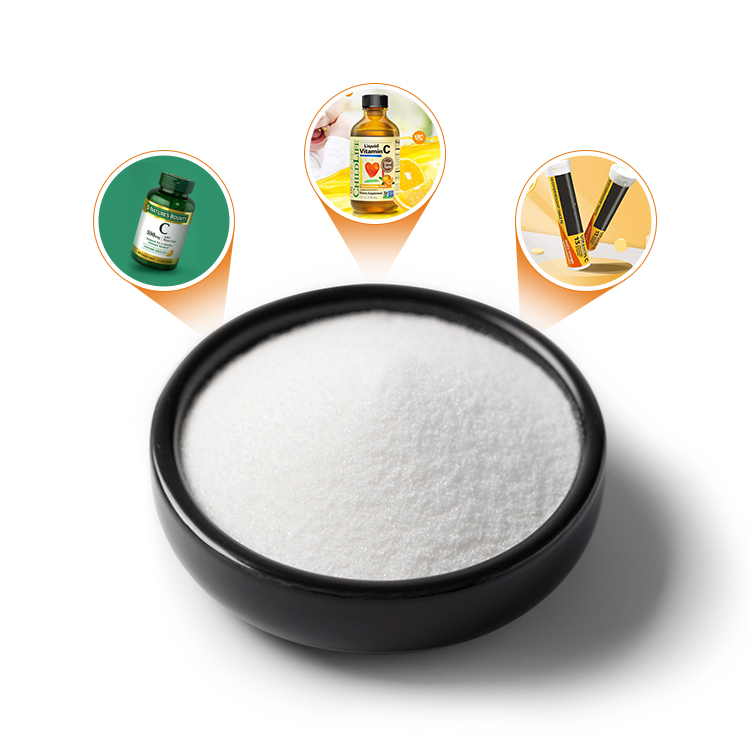
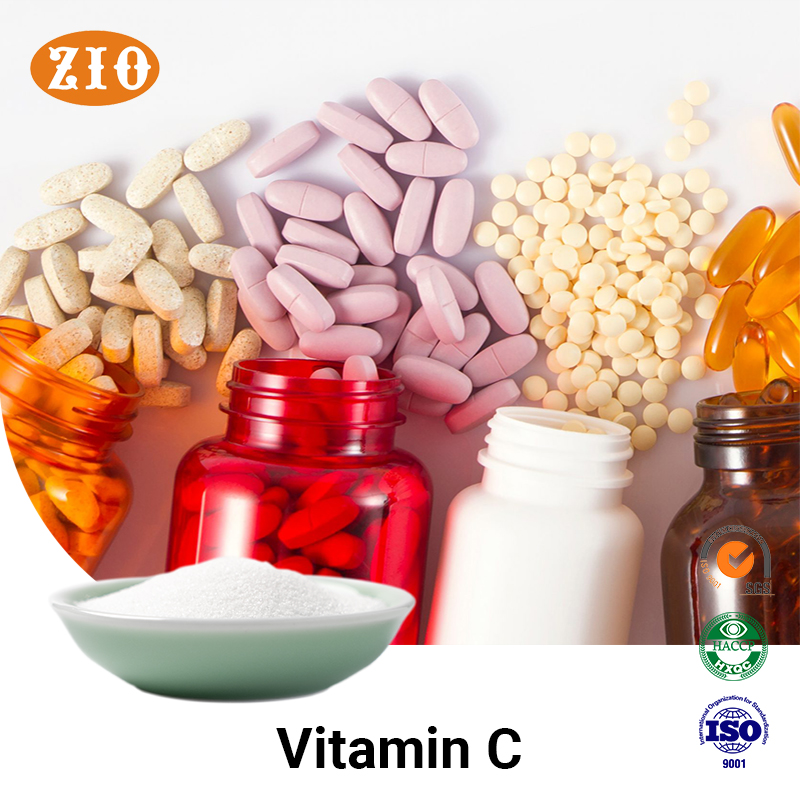
Supplements: Tablets, capsules, powders, or liquids for convenience.
Timing
Can be taken any time of day, with or without food.
Pairing with collagen or iron-rich foods enhances effectiveness.
Precautions
Avoid simultaneous intake with aluminum-containing antacids or certain medications. Maintain a 2-hour gap for safe consumption.
Common Symptoms
Easy bruising and slow wound healing
Gum inflammation and bleeding
Fatigue and irritability
Joint pain and weak bones
High-Risk Groups
People with low fruit and vegetable intake
Smokers
Pregnant or breastfeeding women
Individuals under high stress
Types
Tablets, capsules, powders, slow-release, or liquids
Tips for Selection
Check dosage, brand reputation, and ingredient quality
Avoid exceeding recommended intake
Consult a doctor if on medications or pregnant
Benefits for Skin
Promotes collagen production
Fights free radicals
Brightens skin and evens tone
Combining with Skincare Supplements
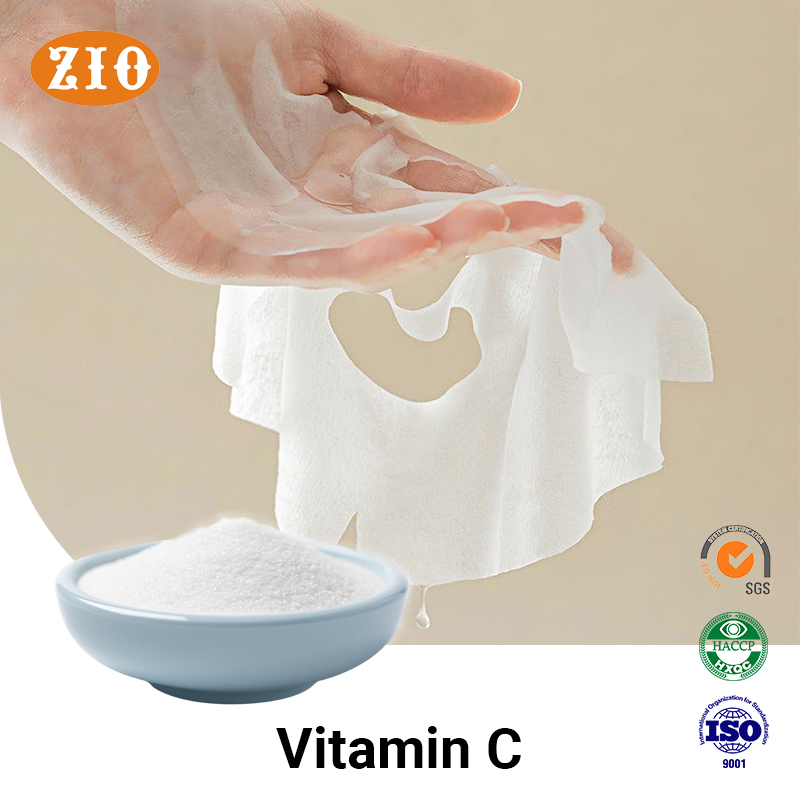
Using Vitamin C with collagen or other skin-supporting nutrients enhances elasticity, hydration, and radiance.
Vitamin C is a multifunctional nutrient that supports immunity, skin health, tissue repair, antioxidant protection, and overall wellness. Consuming a combination of fresh fruits, vegetables, and supplements ensures optimal benefits for people of all ages and lifestyles.


