| Quantity: | |
|---|---|


Tartaric Acid
ZIO
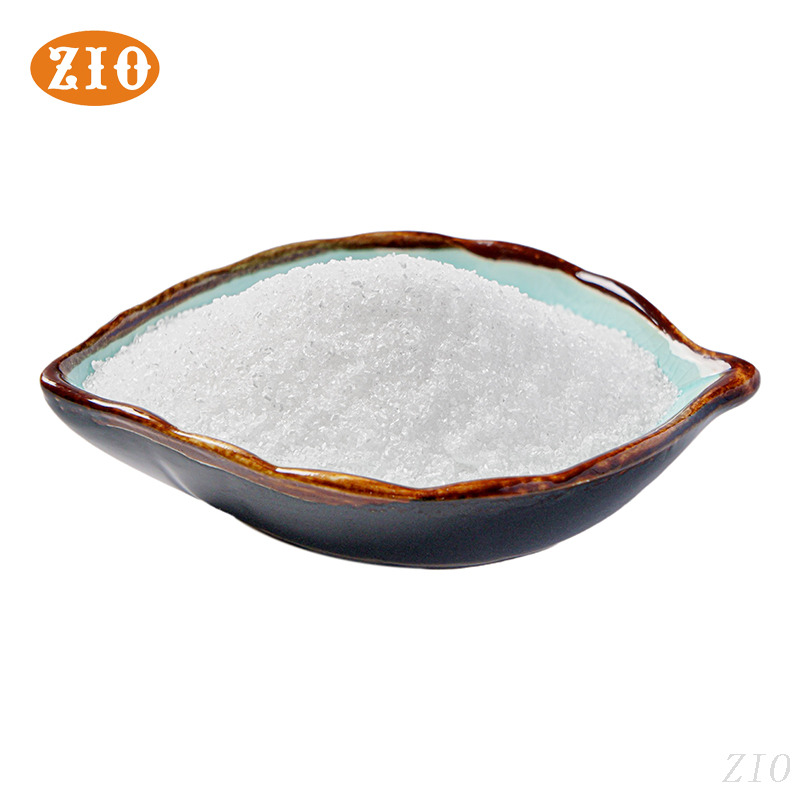
Premium Pure Natural Tartaric Acid is an exceptional naturally sourced organic acid recognized for its intense, clean, and refreshing sour taste. Visually presenting as colorless transparent crystals or a finely milled white crystalline powder, it offers a dry, smooth tactile feel and dissolves readily to deliver multi-functional benefits across the food, beverage, pharmaceutical, and manufacturing sectors. Extracted meticulously from renewable botanical sources such as grapes and tamarind, our natural Tartaric Acid achieves an outstanding core purity of over 99.5%. It is available in three precise isomeric forms—DL-Tartaric Acid, L(+)-Tartaric Acid, and D(-)-Tartaric Acid—to perfectly match diverse formulation requirements.
As a highly versatile food additive, it functions as an effective acidulant, antioxidant, and chelating agent. It imparts a sharp, lingering tartness that enhances the flavor profile of beverages like aged wines and citrus juices, while preserving the vibrant color and freshness in candies, fruit jams, and bakery creations. Furthermore, this product is 100% pure, nut-free, dairy-free, gluten-free, and strictly vegan-friendly, making it the ultimate ingredient for brands pursuing transparent, clean-label consumer products. In pharmaceutical applications, it acts as a dependable pharmaceutical stabilizer and buffering agent. In demanding industrial environments, it performs exceptionally in metal chelation, electroplating, and specialized glass polishing. Its proven stability against light and heat under standard conditions guarantees reliable, consistent performance for every production run.
Property | Value |
Appearance | Colorless transparent crystals or white crystalline powder |
Molecular Formula | C4H6O6 |
Molecular Weight | 150.09 g/mol |
Melting Point | 168–170 °C |
Solubility | Soluble in water and ethanol, slightly soluble in ether |
Stability | Good resistance to light and heat, stable under normal conditions |
Main Forms | DL-Tartaric Acid, L(+)-Tartaric Acid, D(-)-Tartaric Acid |
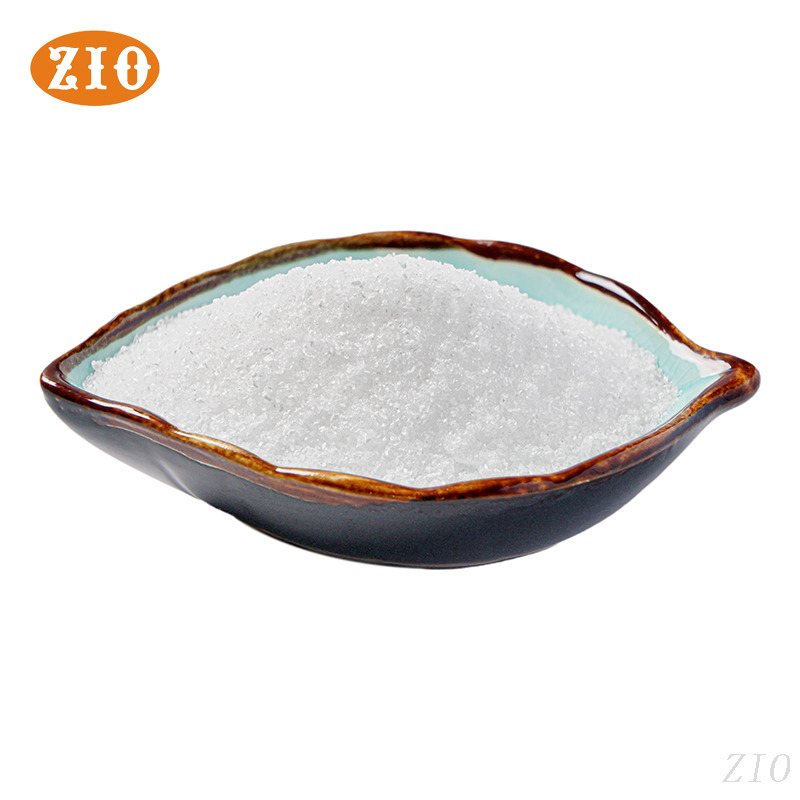
The foundation of our offering is an ultra-high-purity Tartaric Acid (chemical formula C4H6O6), derived entirely from natural plant extracts without the introduction of synthetic fillers, artificial carriers, or hidden contaminants. This commitment to botanical sourcing ensures that our pure natural Tartaric Acid delivers a crisp, unadulterated sourness that perfectly aligns with the surging global demand for clean-label food additives. To guarantee safety and global market compliance, the ingredient is fully certified under Kosher, Halal, and Non-GMO standards, with strict quality control protocols keeping heavy metals and arsenic well below international safety limits. Every shipment is accompanied by a comprehensive Certificate of Analysis (COA) to verify these metrics.
We provide specific, tailored isomers to optimize your production outcomes. L(+)-Tartaric Acid is highly sought after in pharmaceutical formulations due to its excellent biological compatibility with the human body. DL-Tartaric Acid offers a highly economical solution for heavy industrial use, while D(-)-Tartaric Acid is indispensable for specialized chemical synthesis and chiral resolution. By focusing on pure, isomer-specific ingredients backed by rigorous testing, we ensure that our product consistently exceeds the exacting standards required for both delicate pharmaceutical intermediate manufacturing and heavy-duty industrial processing.
Functioning as a premium acidulant, our Tartaric Acid significantly elevates the sensory experience of beverages, imparting a bright, mouth-watering tartness to wines, sodas, and sports drinks. In the bakery sector, it acts as a crucial component in baking powders, interacting with baking soda to improve dough volume and yield a lighter, fluffier texture in cakes and pastries. As an effective antioxidant, it mitigates flavor oxidation and color degradation, naturally extending the shelf life of your finished goods.
Within medical formulations, it serves as an essential pharmaceutical stabilizer. By precisely regulating the pH environment of liquid and solid drug formulations, it prevents sensitive active ingredients from degrading prematurely. It also functions as a reliable buffer, ensuring that medications maintain their intended efficacy throughout their entire shelf life. Furthermore, as a versatile pharmaceutical intermediate, it facilitates the complex synthesis of various advanced therapeutic drugs.
In demanding manufacturing processes, this organic acid acts as a highly efficient chelating agent. It binds aggressively to free metal ions, which is critical for ensuring uniform, flawless metal deposition in electroplating operations. It also reduces unwanted mineral scaling in industrial water treatment facilities and provides the precise chemical abrasion needed to achieve a mirror-like, smooth finish during glass and mirror polishing. In the textile industry, it noticeably improves color fastness and dye penetration.
When incorporated into agricultural formulations and specialized feed additive blends, it plays a vital role in animal nutrition. By gently adjusting the gut pH of livestock, it creates an optimal digestive environment that improves overall nutrient absorption and supports a healthy microbiome. This physiological optimization directly boosts animal growth productivity while significantly lowering the incidence of diet-related digestive illnesses.
Sourced entirely from renewable plant materials like grape pomace and tamarind extracts, our natural Tartaric Acid strongly supports corporate sustainability initiatives. Its complete biodegradability ensures that runoff from industrial and agricultural applications breaks down safely, minimizing long-term environmental impact and making it the responsible choice for eco-conscious manufacturing facilities.
Storage Guidelines: To maintain the free-flowing nature of the powder, store Tartaric Acid in a cool, dry, and well-ventilated warehouse space, strictly protected from direct sunlight and environmental moisture. Prolonged exposure to high humidity can cause the crystals to clump, which may unnecessarily slow down dissolution rates when preparing liquid formulations such as fruit juices or chemical baths.
Solubility Tips: The product is highly soluble in water and ethanol, yet only slightly soluble in ether. For most liquid applications, simply stir the powder gently into room-temperature solvents. The application of excessive heat is entirely unnecessary, and avoiding it will help your facility conserve energy while achieving complete dissolution.
Handling Precautions: Factory personnel should avoid inhaling the fine dust or allowing direct contact with the eyes. We provide detailed Material Safety Data Sheets (MSDS) and recommend standard Personal Protective Equipment (PPE), including dust masks and safety goggles. If inhaled, relocate the individual to a well-ventilated area immediately; if eye contact occurs, flush thoroughly with clean water for several minutes. Wear protective gloves when handling bulk quantities to prevent mild skin dryness.
Compatibility Checks: When utilizing this product as a chelating agent in industrial settings, avoid mixing it directly with incompatible heavy metal compounds without prior small-scale testing, as this may inadvertently reduce overall chelation efficiency. In food formulation, carefully measure dosages to avoid overuse, ensuring its intense sour taste complements rather than overpowers delicate flavor profiles.
DL-Tartaric Acid is a highly cost-effective racemic mixture, making it the ideal choice for large-scale industrial applications such as metal chelation, textile dyeing, and construction material formulation. Conversely, L(+)-Tartaric Acid is the naturally occurring isomer. Its perfect biological compatibility makes it the absolute standard for premium food additive uses and sensitive pharmaceutical applications where human consumption is the end goal.
Yes, it is the most traditional and widely respected acidulant utilized in commercial wine production. Winemakers rely on it to precisely adjust the must's pH levels, which fundamentally enhances the wine's final flavor profile, improves long-term color stability, and creates an environment that prevents bacterial spoilage during the aging process.
While both variations are chemically safe for their intended uses, our natural Tartaric Acid is overwhelmingly preferred by enterprise clients and consumer brands dedicated to utilizing plant-derived ingredients. The natural extraction process entirely avoids the creation of synthetic byproducts, perfectly aligning with modern consumer expectations for clean, transparent, and naturally sourced food additives.