Dextrose monohydrate is a simple sugar derived from corn, commonly used as a sweetener, humectant, and energy source in food products. It is easily digestible and provides a quick source of energy, making it popular in sports nutrition and energy drinks.
| Availability: | |
|---|---|
| Quantity: | |
Dextrose Monohydrate is a natural, corn-derived monosaccharide, serving as a high-efficiency energy source, versatile sweetener, and humectant for food and beverage manufacturing. It is easily digestible and delivers instant energy, making it a top choice for sports nutrition and energy drink formulations. Unlike artificial sweeteners, this product is produced via advanced microbial enzymatic hydrolysis, which eliminates bitterness and ensures high sugar content. It complies with strict food-grade standards and is widely recognized for its stability and safety in various applications.
Index | Details |
Appearance | White crystalline powder |
Purity | ≥99% |
Solubility | Easily dissolves in water |
Storage Conditions | 15°C-30°C, dry & well-ventilated environment, sealed container |
Recommended Concentration | 5%-15% in foods and beverages |
Origin | Corn-derived natural source |

Adddextrose monohydrate at a concentration of 5%-15% according to the desired sweetness and energy level. Mix it fully with water at room temperature to ensure complete dissolution.
Blend it with other dry ingredients before adding wet components. The recommended dosage is 3%-8% of the total flour weight to improve moisture retention.
Use it as a raw material for vitamin C synthesis or as a reducing agent in printing and dyeing processes, following industry-standard dosage.
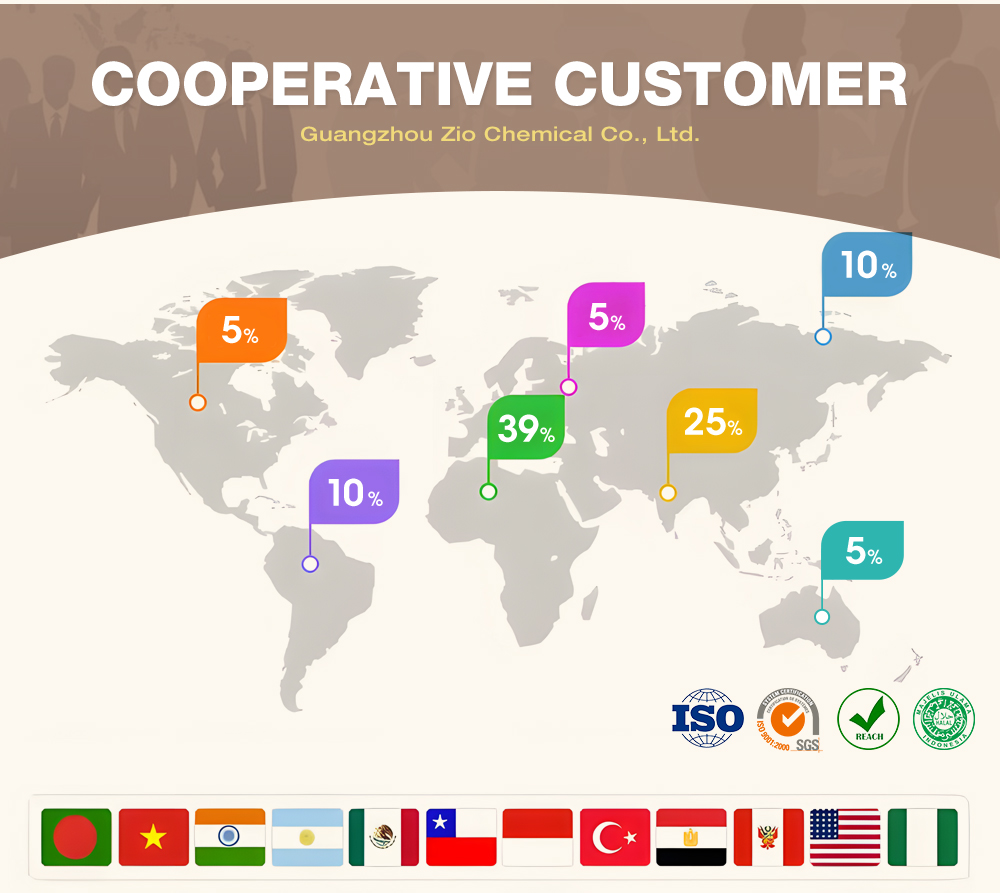
We have focused on food additives for over 20 years, with rich experience in dextrose monohydrate production and application solutions. Our products have passed SGS and ISO certifications, ensuring compliance with international food safety standards. We provide full support from raw material procurement to technical guidance, solving all formulation and production problems for customers. Moreover, we offer multiple payment methods such as T/T, PayPal, and Western Union, with fast delivery via DHL, FedEx, or sea freight.
Dextrose Monohydrate is a natural, corn-derived monosaccharide, serving as a high-efficiency energy source, versatile sweetener, and humectant for food and beverage manufacturing. It is easily digestible and delivers instant energy, making it a top choice for sports nutrition and energy drink formulations. Unlike artificial sweeteners, this product is produced via advanced microbial enzymatic hydrolysis, which eliminates bitterness and ensures high sugar content. It complies with strict food-grade standards and is widely recognized for its stability and safety in various applications.
Index | Details |
Appearance | White crystalline powder |
Purity | ≥99% |
Solubility | Easily dissolves in water |
Storage Conditions | 15°C-30°C, dry & well-ventilated environment, sealed container |
Recommended Concentration | 5%-15% in foods and beverages |
Origin | Corn-derived natural source |

Adddextrose monohydrate at a concentration of 5%-15% according to the desired sweetness and energy level. Mix it fully with water at room temperature to ensure complete dissolution.
Blend it with other dry ingredients before adding wet components. The recommended dosage is 3%-8% of the total flour weight to improve moisture retention.
Use it as a raw material for vitamin C synthesis or as a reducing agent in printing and dyeing processes, following industry-standard dosage.
We have focused on food additives for over 20 years, with rich experience in dextrose monohydrate production and application solutions. Our products have passed SGS and ISO certifications, ensuring compliance with international food safety standards. We provide full support from raw material procurement to technical guidance, solving all formulation and production problems for customers. Moreover, we offer multiple payment methods such as T/T, PayPal, and Western Union, with fast delivery via DHL, FedEx, or sea freight.

It is extracted from corn without chemical additives, meeting the demand for clean-label ingredients in modern food production. Being quickly absorbed by the human body, it provides immediate energy for athletes and active individuals, which is ideal for energy drinks and sports nutrition products. Acting as both a sweetener and a humectant, it enhances product flavor while retaining moisture in baked goods to extend shelf life. The microbial enzymatic hydrolysis method replaces traditional acid hydrolysis, allowing the use of unrefined raw materials and reducing production costs.
It is a core ingredient for formulating fast-energy supplements to replenish physical strength quickly in energy drinks and sports nutrition products. It also improves moisture retention and texture of bread, cakes, and pastries in baked goods production. In dairy products, it enhances the sweetness and stability of yogurt, ice cream, and milk drinks. Additionally, it is used as a nutrient in glucose injections and a raw material for synthesizing vitamin C in the pharmaceutical industry.


It is extracted from corn without chemical additives, meeting the demand for clean-label ingredients in modern food production. Being quickly absorbed by the human body, it provides immediate energy for athletes and active individuals, which is ideal for energy drinks and sports nutrition products. Acting as both a sweetener and a humectant, it enhances product flavor while retaining moisture in baked goods to extend shelf life. The microbial enzymatic hydrolysis method replaces traditional acid hydrolysis, allowing the use of unrefined raw materials and reducing production costs.
It is a core ingredient for formulating fast-energy supplements to replenish physical strength quickly in energy drinks and sports nutrition products. It also improves moisture retention and texture of bread, cakes, and pastries in baked goods production. In dairy products, it enhances the sweetness and stability of yogurt, ice cream, and milk drinks. Additionally, it is used as a nutrient in glucose injections and a raw material for synthesizing vitamin C in the pharmaceutical industry.