
Views: 0 Author: Site Editor Publish Time: 2026-06-25 Origin: Site


Replacing sugar in your daily diet can feel incredibly complex. You want to achieve the perfect taste without compromising your health goals, dietary restrictions, or recipe integrity. However, not every sugar-free sweetener performs equally under different culinary conditions. Differences in metabolic pathways, heat stability, and taste profiles mean the wrong choice can quickly ruin a baked good. Worse, it might cause unexpected digestive distress if you consume too much.
This guide breaks down the clinical profiles, culinary applications, and trade-offs of the most viable sugar substitutes available today. We will help you navigate these diverse options so you can select the exact formulation for your specific use case. Understanding these nuances empowers you to make smarter dietary choices. You will learn exactly how to balance sweetness, texture, and physical well-being. Whether you are managing diabetes or simply cutting calories, informed ingredient selection changes everything.
You cannot judge a sweetener by its calorie count alone. Achieving optimal results requires analyzing multiple functional properties. These factors determine how the substitute behaves in your body and your kitchen. Let us examine the four primary evaluation criteria.
Many consumers confuse the terms "zero calorie" and "zero glycemic impact." They are not interchangeable. The Glycemic Index measures how quickly an ingredient raises your blood glucose levels. Table sugar has a GI of roughly 65. A true zero-GI ingredient will not spike your blood sugar. It also will not trigger a significant insulin response.
However, manufacturers frequently blend highly concentrated extracts with bulky fillers. Common fillers like maltodextrin carry a GI of over 100. This means a product labeled "zero calories" might still cause a rapid insulin spike. You must scrutinize the ingredient list.
Common Mistake: Assuming all packet sweeteners are keto-friendly. Always verify the bulking agent before adding it to your morning coffee.
Temperature radically alters chemical structures. Certain sweetening compounds degrade rapidly under high heat. They completely lose their sweet flavor. Sometimes, they even turn intensely bitter. Cold liquids tolerate delicate extracts exceptionally well. You can stir them into iced tea without issue.
Baking tells a different story. High-heat applications require robust molecular structures. Traditional sugar undergoes the Maillard reaction. This process creates browning and complex caramel flavors. Most substitutes cannot replicate this exact chemical reaction. You must match the ingredient's thermal threshold directly to your cooking method.
Recipes rely heavily on traditional sugar for physical mass. Sugar provides essential structure, moisture, and tenderization. Intense extracts complicate this dynamic. Many are hundreds of times sweeter than table sugar. You only need a fraction of a teaspoon to match a whole cup of sugar. This creates a massive volume deficit.
If you remove a cup of sugar from a cake batter, you lose critical bulk. The cake will bake flat and dense. Conversely, 1:1 bulk options provide the necessary physical structure. They mimic the precise volume of sugar.
Best Practice: When using concentrated liquid drops in baking, add unsweetened applesauce or extra yogurt. This replaces the lost moisture and bulk.
Gastrointestinal distress remains a highly realistic concern. Your body absorbs traditional carbohydrates in the small intestine. Many modern substitutes bypass this process entirely. They pass through your upper digestive tract unabsorbed. They eventually reach your large intestine intact.
Here, your resident gut bacteria encounter them. The bacteria ferment these unabsorbed compounds rapidly. This sudden fermentation process frequently causes gas and painful bloating. Some compounds also draw excess water into the bowel through osmotic pressure. This frequently triggers osmotic diarrhea. Finding your personal tolerance threshold is absolutely essential for daily comfort.
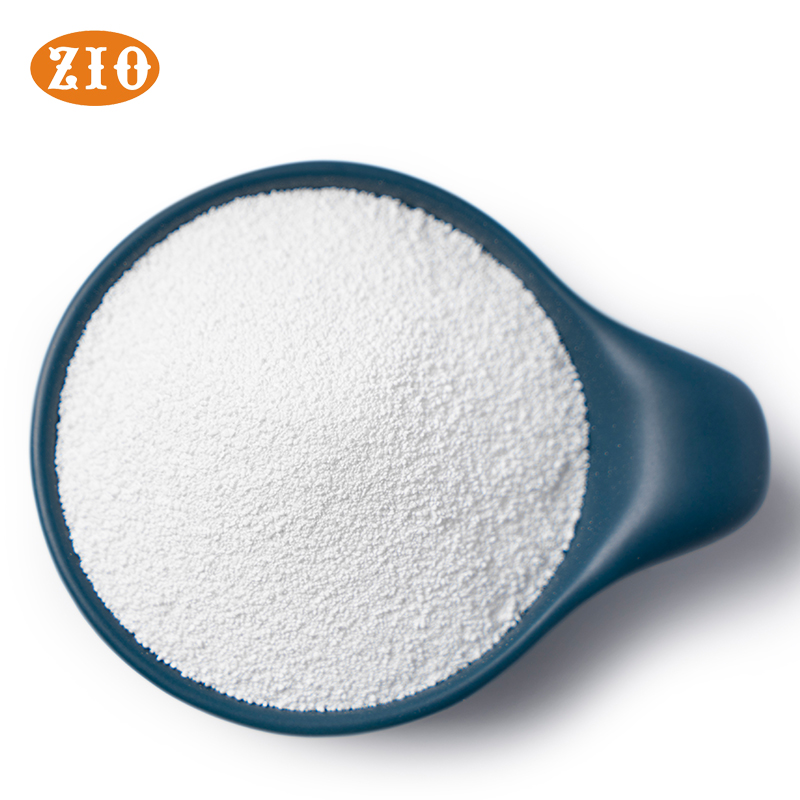
Plant-based options dominate the natural health market. They offer zero calories and originate from botanical sources. However, their unique flavor profiles require careful culinary management.
Stevia comes from the leaves of the Stevia rebaudiana plant. Manufacturers extract specific sweet compounds called steviol glycosides. The most common commercial extract is Rebaudioside A (Reb-A). It provides intense sweetness without adding any caloric load to your diet.
Monk fruit, or lo han guo, grows primarily in Southeast Asia. The sweetness comes from antioxidant compounds called mogrosides. Manufacturers extract these compounds to create a potent, zero-calorie powder or liquid.
Sugar alcohols exist naturally in certain fruits. Commercial versions undergo industrial fermentation processes. They look and feel remarkably similar to real table sugar. They provide excellent bulk for complex baking projects.
Erythritol stands out among polyols due to its unique metabolic pathway. Your body absorbs most of it into the bloodstream directly from the small intestine. However, you cannot metabolize it for energy. Your kidneys excrete it unchanged in your urine. This unique trait minimizes lower-intestinal fermentation.
Xylitol frequently appears in dental care products. It possesses a crystalline structure identical to traditional sucrose. It dissolves cleanly and provides a highly satisfying texture in the mouth.
Food scientists develop synthetic options in laboratories. These highly engineered products offer unparalleled sweetness at a remarkably low cost. They dominate the commercial diet beverage and packaged food industries.
Scientists create sucralose by selectively chlorinating standard sucrose molecules. This structural change prevents your digestive enzymes from breaking it down. It passes right through your body without yielding any caloric energy.
Aspartame combines two standard amino acids: aspartic acid and phenylalanine. It is one of the most thoroughly researched food additives in global history. It provides an immediate, bright sweetness.
Choosing the correct product requires matching the ingredient's chemical properties to your culinary goals. Following a structured framework removes the guesswork from your grocery shopping. Review the distinct use cases below.
Use the simple chart below to reference glycemic impacts and ideal culinary pairings quickly.
| Sweetener Category | Glycemic Index (GI) | Heat Stability | Primary Culinary Use |
|---|---|---|---|
| Stevia (Pure Extract) | 0 | High | Beverages, Sauces |
| Monk Fruit (Pure Extract) | 0 | High | Smoothies, Yogurt |
| Erythritol | 0 - 1 | High | Keto Baking, Rubs |
| Xylitol | 7 | Medium | Moist Baked Goods, Gums |
| Sucralose (Pure) | 0 | Very High | High-Heat Cooking, Syrups |
| Aspartame | 0 | Very Low | Diet Sodas, Cold Drinks |
The ideal sugar substitute carefully balances your specific health constraints with your functional culinary needs. Choosing wisely ensures you enjoy sweet flavors safely. You do not have to sacrifice recipe texture or risk painful digestive bloating.
Start by clearly identifying your primary use case today. Are you baking complex pastries or simply sweetening iced tea? Next, purchase a pure or clearly labeled blend tailored to that specific category. Finally, test the ingredient in small batches. This conservative approach helps you gauge your personal flavor tolerance. It also allows you to monitor your specific digestive response before scaling up recipes.
A: It heavily depends on the formulation. True zero-GI options like pure erythritol and liquid stevia do not raise blood sugar or insulin levels. However, many commercial powder packets contain hidden carbohydrates. Fillers like dextrose and maltodextrin carry high glycemic indexes. Always check the ingredient list to avoid unexpected insulin spikes.
A: Sugar alcohols (polyols) often cause gastrointestinal distress due to their poor absorption rates. They travel intact to your large intestine. Here, they draw in water through intense osmotic pressure. Gut bacteria then ferment them rapidly. This aggressive fermentation creates gas, bloating, and sometimes osmotic diarrhea, especially in large doses.
A: You cannot use all substitutes as a direct replacement. Only bulk sweeteners, like specific erythritol blends or allulose, work 1:1. Highly concentrated extracts, such as pure stevia or sucralose drops, are hundreds of times sweeter than sugar. They require complex recipe conversions and added bulking agents for structural integrity.
A: Yes, approved artificial sweeteners are safe within established clinical limits. Regulatory bodies like the FDA and EFSA set a strict Acceptable Daily Intake (ADI) for each distinct type. However, you should maintain a balanced dietary approach. Consider your individual gut health, medical history, and personal metabolic responses.


