


| Quantity: | |
|---|---|


Lactitol
ZIO
Lactitol stands out as a premium, low-calorie sugar alcohol meticulously derived through the hydrogenation of natural milk-sourced lactose. Presenting as a finely milled, white crystalline powder or uniform granules, it offers a clean, crisp sweetness profile that closely mimics traditional sucrose. Unlike many synthetic alternatives, it leaves absolutely no lingering bitterness on the palate. Functioning as a fundamental sweetening agent, this compound is exceptionally suited for formulations targeting carbohydrate-conscious consumers and specialized dietary regimens. Its exceptional physicochemical properties, including steadfast stability under varying thermal conditions and excellent compatibility with diverse active ingredients, make it an indispensable asset for formulators in the food, beverage, nutraceutical, and pharmaceutical sectors. By utilizing this ingredient, product developers can achieve an optimal equilibrium between sensory indulgence, functional performance, and strict nutritional parameters.
Property | Value |
Chemical Name | 4-O-β-D-Galactopyranosyl-D-glucitol |
Molecular Formula | C₁₂H₂₄O₁₁ |
Appearance | White crystalline powder or granules |
Sweetness | Approximately 40–50% of sucrose |
Calories | About 2 kcal/g (lower than sucrose) |
Solubility | Easily soluble in water, slightly soluble in alcohol |
Hygroscopicity | Low, easy to store and transport |
Taste | Clean, pure sweetness without bitterness, smooth texture |
Safety | Approved by major food safety authorities including EU and FDA |
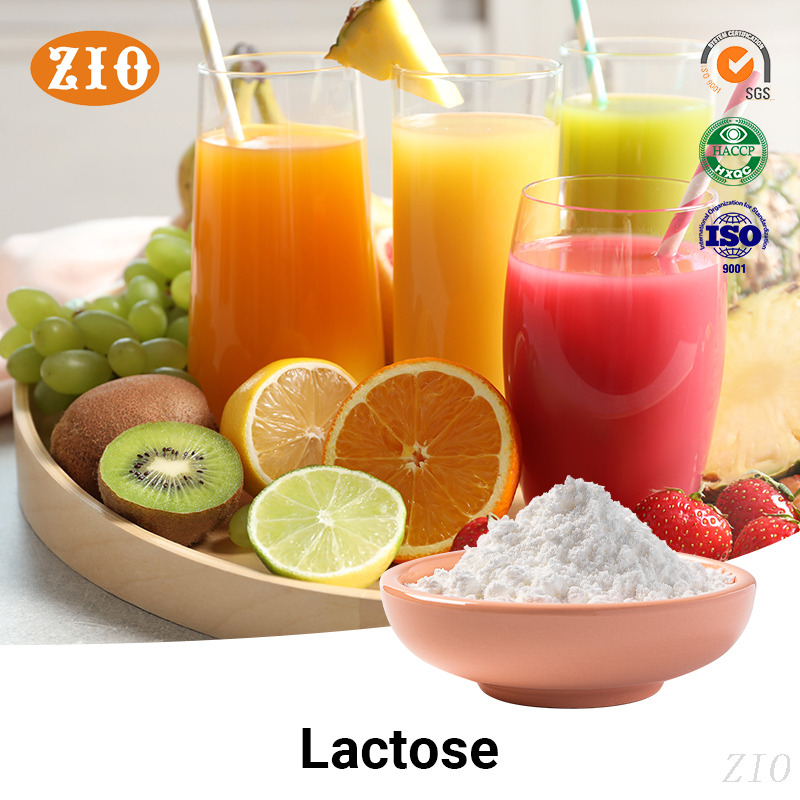
The primary active component in this formulation is pure, unadulterated lactitol, synthesized entirely without the inclusion of artificial colorants, synthetic preservatives, or extraneous fillers. Originating from naturally occurring lactose, the advanced hydrogenation process refines its molecular architecture into a highly functional sugar alcohol. This precise conversion yields an ingredient that maintains a pleasant, mild sweetness while drastically cutting caloric density and mitigating glycemic responses.
Crucially, this ingredient boasts an extensive history of safety and market validation, having been widely utilized across the global food industry since the 1980s. It carries prestigious regulatory endorsements that facilitate borderless export operations for manufacturers:
Such comprehensive international compliance ensures that end-products formulated with this sweetener meet the rigorous transparency and clean-label expectations of today's informed consumer base.
Characterized by an exceptionally low glycemic index (GI), this sweetener induces virtually no notable fluctuations in blood glucose or insulin levels post-consumption. This physiological inertness makes it a foundational sweetening core for diabetic-friendly formulations, allowing consumers to experience satisfying sweetness without compromising their strict dietary protocols.
Beyond simply reducing caloric intake, scientific evaluations indicate that this compound actively empowers weight management formulations. Upon digestion, it assists in lowering post-prandial triglyceride levels and stimulates the secretion of Peptide YY (PYY)—a crucial hormone responsible for signaling satiety. By curbing appetite and minimizing caloric density, it serves as a highly effective tool for developing functional foods aimed at sustainable weight control.
Oral care remains a priority in modern confectionery and supplement design. This sugar alcohol is distinctly non-cariogenic, meaning it resists fermentation by oral bacteria that typically produce enamel-eroding plaque acids. Consequently, it acts as a protective sweetening agent for chewing gums, lozenges, and chewable tablets, delivering a pleasant taste while actively safeguarding dental integrity.
Acting as a multifunctional ingredient, it excels as a reliable humectant and structural bulking agent. It actively improves moisture retention, prevents premature crystallization, and extends the shelf life of baked goods, chocolates, and frozen dairy desserts. The resulting texture is consistently smooth and visually appealing, ensuring a premium mouthfeel that consumers expect from top-tier brands.
Within the nutraceutical and pharmaceutical arenas, patient compliance is heavily influenced by palatability. This ingredient expertly masks the harsh, astringent notes often associated with active botanical extracts and mineral complexes. It provides a stable, non-reactive matrix for chewable vitamins, effervescent tablets, and probiotic sachets, preserving the efficacy of sensitive active ingredients while dramatically enhancing the overall sensory experience.
Sensory performance is paramount when replacing traditional sugars. This compound provides a pristine, sucrose-like flavor profile devoid of any lingering metallic or bitter aftertastes, with its sweetness intensity scaling predictably as concentration increases. Furthermore, it exhibits excellent formula synergy; rather than masking or competing with delicate natural extracts, vanilla, or fruit essences, it elevates the primary flavor notes, allowing the intended aromatic profile of the product to shine brilliantly.
Adding substantial functional value to health-focused foods, this ingredient exhibits well-documented prebiotic characteristics. It bypasses enzymatic digestion in the upper gastrointestinal tract, reaching the colon intact where it undergoes targeted fermentation by beneficial microflora. This process generates essential short-chain fatty acids (SCFAs), which nourish the intestinal lining, promote a balanced microbiome, and provide a significant digestive health advantage for functional food applications.
To maximize the shelf life and maintain the free-flowing crystalline structure of the powder, it is imperative to store the product in a climate-controlled, dry, and dark facility. Shielding the material from elevated ambient humidity and direct ultraviolet exposure prevents unwanted agglomeration or caking, ensuring the physicochemical stability remains intact from the moment of procurement through to final processing.
While universally recognized as safe for the general population, the osmotic nature of sugar alcohols implies that excessive, rapid ingestion could trigger mild laxative effects or gastrointestinal discomfort in highly sensitive demographics. Formulators are advised to adhere strictly to established usage thresholds and consider implementing clear dosage guidance on retail packaging to ensure a comfortable consumer experience.
Because the foundational raw material is derived from milk-sourced lactose, trace residual elements might pose a concern for individuals diagnosed with profound lactose intolerance or specific dairy allergies. Procurement teams and product developers must meticulously account for this dairy origin during the formulation phase, ensuring accurate allergen declarations on final product labels to maintain regulatory compliance and consumer trust.
Indeed, it serves as a cornerstone ingredient for carbohydrate-restricted nutritional plans. Its uniquely low caloric footprint, combined with an extraordinarily minimal impact on glycemic responses, renders it the perfect substitute for traditional refined sugars in health-conscious formulations.
Certainly. Its exceptionally clean and mild sweetness profile makes it highly versatile. It effectively enhances the structural integrity and moisture content of sweet pastries and confectioneries, while also providing subtle flavor rounding and texture improvement in savory sauces or marinades without overpowering the primary spices.
Not at all. This product is a strictly naturally derived sugar alcohol, meticulously processed without the introduction of synthetic colorants, artificial flavorings, or chemical preservatives. It perfectly aligns with the stringent requirements of modern clean-label manufacturing.
It significantly elevates the sensory profile of oral medications, syrups, and medicated chewing gums. By acting as a non-reactive sweetening base, it masks the inherent bitterness of active pharmaceutical ingredients (APIs) while maintaining excellent chemical stability and extending the product's viable shelf life.
Absolutely. Having undergone rigorous global market validation since the 1980s, and holding approvals from leading authorities like the FDA and EFSA, it is proven safe for sustained, long-term integration into daily dietary, pharmaceutical, and nutritional supplement routines when utilized within recommended parameters.
