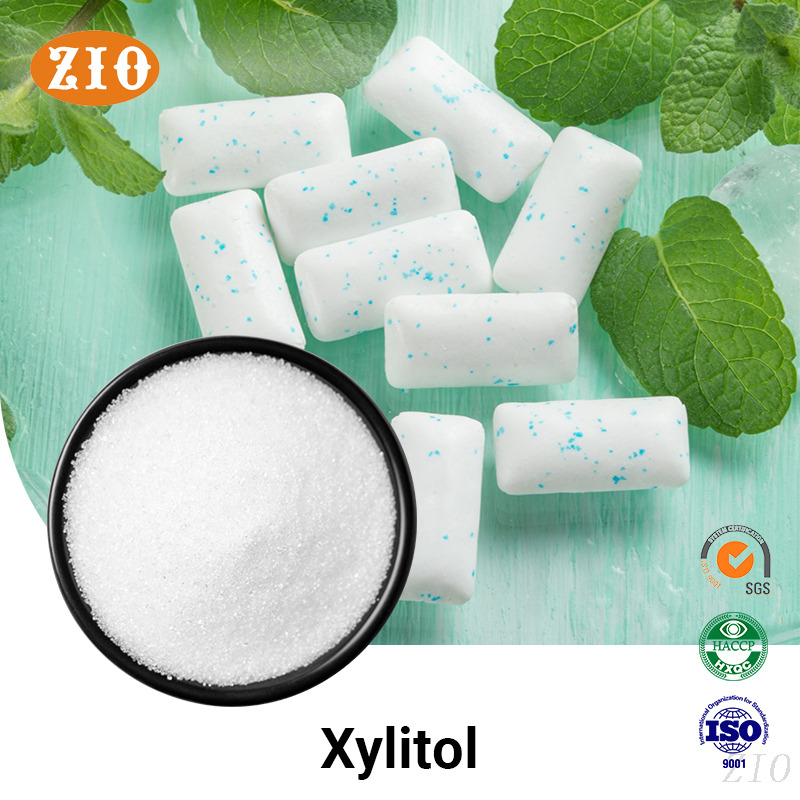
Xylitol is a natural sugar alcohol (polyol) found in many fruits, vegetables, and plant materials such as birch wood and corn cobs. It appears as a white crystalline powder with a refreshing sweet taste. Its sweetness is about 95% of sucrose, but with only 60% of the calories (2.4 kcal/g vs. 4 kcal/g for sugar).
With a low glycemic index (GI=7), xylitol has minimal effect on blood glucose and insulin levels, making it an ideal sugar substitute for diabetics, weight management, and low-carb diets. Additionally, xylitol is well-known for its dental health benefits, as it inhibits Streptococcus mutans (the bacteria responsible for cavities) and helps reduce the risk of tooth decay.
| Quantity: | |
|---|---|


Xylitol
ZIO
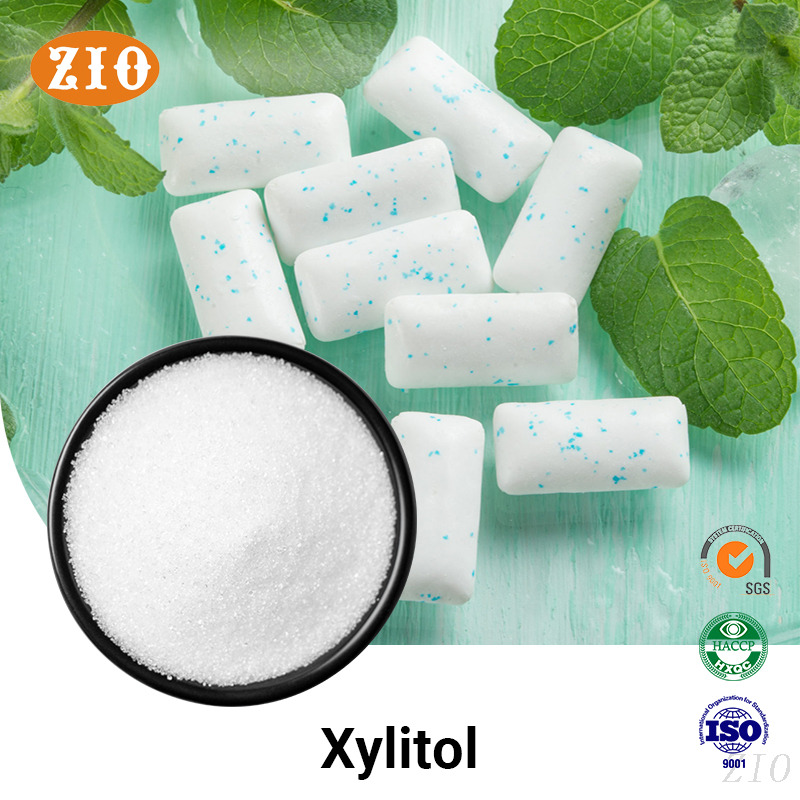
Xylitol presents as a snow-white, highly refined crystalline powder that delivers a clean, crisp sweetness nearly identical to sucrose. Extracted from select plant-based materials such as sustainably sourced birch wood and non-GMO corn cobs, this natural sugar alcohol (polyol) dissolves rapidly on the tongue, creating a distinct endothermic cooling sensation that elevates mint-flavored and fruit-based profiles. As a functional sugar substitute, it serves health-conscious formulations by offering a satisfying taste profile without the lingering bitter aftertaste often associated with synthetic alternatives. Recognized for its exceptional tooth-friendly properties and an ultra-low glycemic impact, it has become an essential foundational ingredient across the food, beverage, oral care, and nutraceutical industries. Formulators utilize this low-calorie sweetener to develop diabetic-friendly, ketogenic, and weight-management consumer goods, achieving the perfect balance of sensory appeal and nutritional responsibility.
Property | Value |
Name | Xylitol |
Molecular Formula | C₅H₁₂O₅ |
CAS No. | 87-99-0 |
Appearance | White crystalline powder |
Sweetness | ~95% of sucrose |
Calories | 2.4 kcal/g (60% of sucrose) |
Solubility | Highly soluble in water, endothermic dissolution creates a cooling effect |
Melting Point | 92–96 ℃ |
Glycemic Index | 7 |
Safety | GRAS status, FDA approved |
Packaging | 25kg/bag, OEM/ODM available |
The foundational component is naturally derived xylitol, isolated through a gentle, multi-stage extraction and crystallization process that safeguards its functional integrity. We maintain a rigorous quality assurance and quality control (QA/QC) framework, achieving a verified purity level of up to 99%. Every batch is supported by a comprehensive raw material traceability system, ensuring absolute consistency and reliability for large-scale manufacturing operations. By eliminating artificial chemicals and synthetic solvents from the processing phase, this ingredient provides a transparent, clean-label solution tailored for modern consumer demands.
Operating as a plant-based polyol, the molecular architecture of this compound is directly responsible for its reduced caloric footprint and minimal glycemic response. It is entirely free from added sugars, artificial flavorings, or synthetic colorants. This unadulterated composition ensures seamless integration into specialized dietary formulations, meeting stringent clean-eating requirements while maintaining the structural stability necessary for complex recipe matrices.
Recognized globally for its tooth-friendly characteristics, this polyol actively disrupts the proliferation of cavity-causing bacteria, specifically Streptococcus mutans. By preventing these microorganisms from fermenting sugars into enamel-eroding acids, it significantly lowers the risk of tooth decay and plaque accumulation. This mechanism makes it an indispensable active component in premium toothpastes, therapeutic mouthwashes, and sugar-free chewing gums designed for long-term oral hygiene.
Featuring a remarkably low glycemic index of just 7, xylitol introduces minimal fluctuations to blood glucose and insulin levels upon consumption. It delivers the desired sweetness without triggering the sharp metabolic spikes typically associated with conventional sucrose. This physiological advantage renders it a primary sweetening agent for diabetic-friendly products, ketogenic snacks, and low-carbohydrate nutritional supplements.
Providing only 2.4 kilocalories per gram—approximately 40% fewer calories than standard table sugar—this low-calorie sweetener facilitates substantial caloric reduction in finished goods. It allows formulators to create indulgent, sweet-tasting products that align with weight management objectives, satisfying consumer cravings while maintaining a responsible nutritional profile.
The distinct endothermic reaction that occurs as the crystals dissolve in moisture creates a refreshing, physical cooling sensation in the mouth. This sensory enhancement pairs exceptionally well with mint, citrus, and berry flavor profiles, elevating the mouthfeel of breath mints, functional beverages, and confectionery items with a crisp, revitalizing finish.
Demonstrating outstanding physical and chemical stability, this ingredient withstands extreme processing environments, including high-heat baking and deep-freeze applications, without degrading or losing sweetness. It exhibits excellent resistance in both acidic and alkaline conditions. Furthermore, its high water solubility and natural humectant properties improve moisture retention in baked goods and skincare formulations. When blended with high-intensity sweeteners, it acts as a highly effective masking agent, neutralizing bitter off-notes to create a well-rounded flavor profile across countless food items and pharmaceuticals.
While xylitol is universally recognized as safe for human consumption, polyols can draw water into the intestine if consumed in excessive quantities, potentially leading to mild, temporary laxative effects. Formulators should adhere to recommended dietary inclusion rates, and consumers are advised to introduce the sweetener gradually to allow the digestive system to adjust comfortably.
It is critical to note that xylitol induces a rapid and dangerous insulin release in dogs and certain other domestic animals, leading to severe hypoglycemia. All consumer-facing packaging for products containing this ingredient should include clear advisories to store items securely out of reach of animals to prevent accidental ingestion.
To preserve its free-flowing crystalline structure and prevent clumping, the powder must be stored in a cool, dry, and well-ventilated environment. Protecting the inventory from direct heat sources and ambient moisture ensures the material retains its precise sweetness level and functional handling characteristics throughout its shelf life.
We accommodate diverse procurement strategies, offering highly flexible minimum order quantities. Whether you require 10-100g samples for initial benchtop formulation testing or metric-ton deliveries for continuous production lines, our established global logistics network ensures secure, expedited fulfillment within a 7 to 20-day window.
To guarantee material integrity during transit, we provide multiple moisture-proof packaging solutions. Options range from highly sealed, specialized aluminum foil bags for smaller batches to durable 25kg industrial-grade bags for bulk processing. We also offer comprehensive OEM and ODM services, including fully customized packaging designs tailored to your specific brand requirements.
Our manufacturing facilities operate under strict international regulatory standards. The product holds FDA approval and maintains GRAS (Generally Recognized As Safe) status. Additionally, our operations are regularly audited by respected third-party organizations such as SGS, ensuring smooth customs clearance and unrestricted market access for your international trade operations.
Yes, xylitol serves as a functionally superior and safer alternative for a wide demographic. By offering a 40% reduction in caloric density and a drastically lower glycemic index, it directly supports metabolic health. Furthermore, its unique ability to actively defend against dental caries makes it a multi-functional ingredient that outperforms conventional sucrose in both nutritional and physiological metrics.
Unlike dietary sugars that feed oral bacteria, this specific polyol cannot be metabolized by Streptococcus mutans. This starvation effect halts the production of enamel-destroying lactic acid and reduces the overall bacterial load in the oral cavity. Consistent exposure helps maintain a neutral oral pH, encouraging the remineralization of tooth enamel and supporting healthier gums.
Absolutely. Xylitol possesses exceptional thermal stability, meaning it will not break down, lose its sweetening power, or alter its chemical structure when exposed to the high temperatures of baking, boiling, or pasteurization. It performs beautifully in baked goods, syrups, and hot beverages, providing the same bulk and texture as sugar, though it will not caramelize or participate in Maillard browning reactions.
For the vast majority of individuals, it is exceptionally well-tolerated when incorporated into a balanced diet. The only notable side effect occurs with rapid, excessive consumption, which may result in mild gastrointestinal symptoms such as bloating or a temporary laxative effect. These symptoms are entirely reversible and can be avoided by adhering to standard serving sizes and gradually increasing intake.