
Views: 0 Author: Site Editor Publish Time: 2026-08-17 Origin: Site


Consumers and product formulators face heavily polarized information regarding sugar substitutes daily. Headlines frequently alternate between praising these ingredients as weight-loss miracles and condemning them as toxic hazards. You might find yourself entirely unsure of what to believe anymore.
While global health authorities continue to approve them, consumer advocacy groups frequently flag potential long-term risks. Navigating this contradictory landscape makes it incredibly difficult to choose safe dietary options. It forces individuals to constantly guess whether they are making a healthy choice or unknowingly compromising their well-being.
We designed this guide to cut through the noise by providing a strictly evidence-based, decision-stage framework. You will explore the specific criteria used to determine safety and evaluate complex epidemiological data. Ultimately, we will show you exactly how to assess risk versus reward when selecting a low-calorie sweetener.
Understanding food safety requires looking at how regulatory bodies measure risk. Health agencies do not simply guess about ingredient safety. They rely on rigorous testing protocols before allowing any new additive into the food supply. The cornerstone of this evaluation process is a metric known as the Acceptable Daily Intake (ADI).
The ADI represents the maximum amount of an ingredient you can safely consume every single day. This measurement spans an entire lifetime without causing adverse health effects. Regulators establish the ADI by finding the highest dose in animal studies showing no negative effects. They then divide this number by 100 to build a massive safety buffer for human consumption. Because of this mathematical buffer, exceeding your ADI through normal dietary habits remains incredibly difficult.
However, we must distinguish between acute toxicity and subtle metabolic impact. Toxicological safety means an ingredient will not poison you, cause cellular mutations, or trigger immediate organ failure. Regulatory bodies test for these acute risks prior to market approval. In contrast, long-term metabolic shifts describe how an ingredient might slowly alter your digestion, hunger signals, or gut bacteria over decades. Health agencies often track these complex metabolic impacts post-market through observational studies.
Global authorities share a strong consensus regarding toxicological safety. The U.S. Food and Drug Administration (FDA) and the European Food Safety Authority (EFSA) both endorse authorized sugar substitutes. The UK’s National Health Service (NHS) also aligns with this stance. These organizations base their approvals on controlled, repeatable toxicology studies. They consistently conclude these additives pose no acute danger to human health when used within established ADI limits.
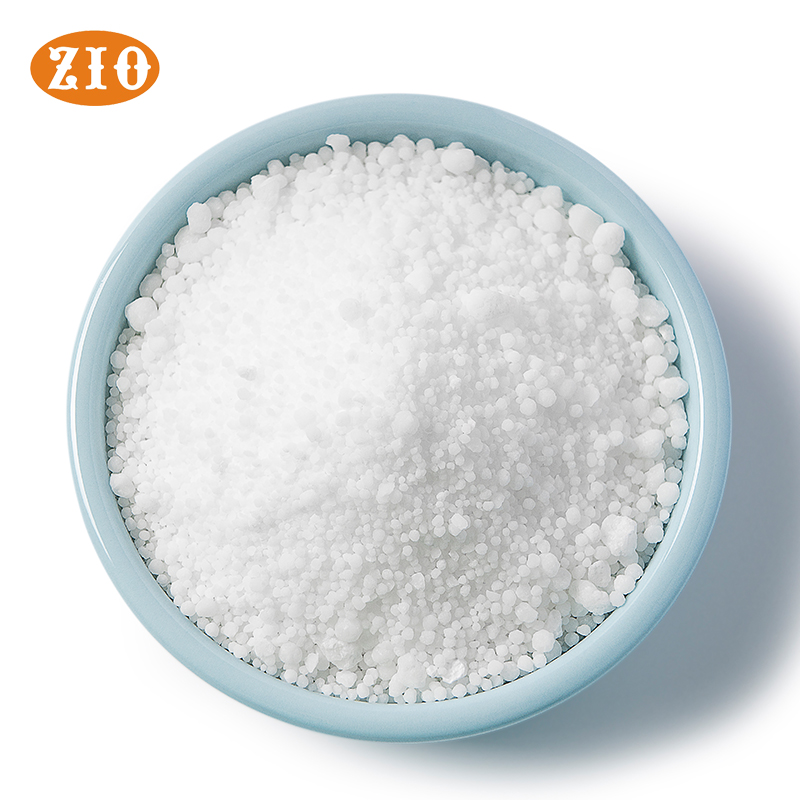
Not all sugar substitutes share the same biological profile. They originate from different sources and behave differently inside your body. We can divide them into three primary categories based on their origin and chemical structure.
Scientists synthesize these compounds entirely in laboratories. They offer intense sweetness, often hundreds of times stronger than regular table sugar. Examples in this category include Aspartame, Sucralose, Saccharin, and Acesulfame Potassium (Ace-K).
These synthetic options boast a high sweetness multiplier. They also carry a long track record of FDA approval. However, consumer watchdogs like the Environmental Working Group (EWG) heavily scrutinize them. Critics frequently highlight their synthetic origins. Emerging studies also raise concerns about their potential to disrupt healthy gut flora over time.
Manufacturers extract these compounds from plants or fruits. Familiar examples include Stevia leaf extract and Monk fruit extract. They appeal strongly to consumers seeking transparent, recognizable ingredients.
Regulatory bodies classify them as Generally Recognized as Safe (GRAS). Product formulators often prefer them for "clean label" applications. Keep in mind, manufacturers highly process these extracts from their raw plant states to isolate the sweet-tasting compounds. They remain natural in origin but undergo significant refinement before reaching your pantry.
Sugar alcohols represent a distinct third category. Unlike the previous two groups, they are low-calorie rather than zero-calorie. Common examples include Erythritol and Xylitol. They provide bulk and texture similar to real sugar.
They are generally safe in moderation. However, they carry known dose-dependent gastrointestinal risks. Consuming large quantities can pull water into the intestines. This process frequently causes bloating, gas, or laxative effects. You must gauge your personal tolerance carefully.
| Category | Common Examples | Caloric Value | Primary Advantages | Common Drawbacks |
|---|---|---|---|---|
| Artificial | Sucralose, Aspartame, Ace-K | Zero | Highly stable, extremely sweet | Scrutinized for synthetic origins |
| Naturally Derived | Stevia, Monk Fruit | Zero | Clean label, GRAS status | Can have a bitter aftertaste |
| Sugar Alcohols | Erythritol, Xylitol | Low | Provides bulk, tastes like sugar | Potential gastrointestinal distress |
Despite regulatory assurances, many academic institutions caution against unlimited consumption. Researchers continue to investigate how these ingredients interact with complex human biology. Four main arguments form the foundation of the safety debate.
Safety is never an absolute metric; it is always relative to the alternative. We must evaluate these substitutes against the standard they aim to replace: added dietary sugar. The health consequences of excessive sugar intake are well-documented and universally acknowledged by medical professionals.
We use a dual-risk framework to make objective dietary choices. We compare the known, heavily documented risks of high added-sugar intake against the debated risks of substitutes. High sugar consumption directly drives insulin resistance. It contributes heavily to non-alcoholic fatty liver disease and systemic inflammation. In contrast, the risks associated with sugar substitutes remain highly localized or subject to ongoing academic debate.
Your specific health status dictates which option carries the lower risk. Consider the following use-case scenarios:
| Health Metric | High Added-Sugar Intake | Low-Calorie Sweetener Intake |
|---|---|---|
| Blood Glucose Impact | Rapid spikes and crashes | Negligible to zero impact |
| Caloric Density | High (empty calories) | Zero or extremely low |
| Dental Health Risk | High risk of cavities and decay | Safe (does not feed oral bacteria) |
| Long-Term Metabolic Risk | Proven link to insulin resistance | Debated; possible microbiome shifts |
Transitioning your diet requires a thoughtful, strategic approach. You cannot simply swap every sugar-laden item for a diet alternative and expect perfect health. Instead, you need a targeted implementation plan based on your unique physiological needs.
First, assess your primary goal. Are you formulating a product specifically for diabetics? Are you personally transitioning away from a high-sugar diet? Or are you looking for a permanent lifestyle swap? Identifying your core objective helps you choose the right ingredient category. Diabetics might prioritize zero-glycemic artificial options. Health-conscious consumers might lean toward natural extracts.
Next, demand ingredient transparency and purity. You must learn how to read nutrition labels critically. Many commercial packets contain unwanted bulking agents like maltodextrin or dextrose. Manufacturers use these starches to prevent clumping. Unfortunately, these covert additions can secretly introduce glycemic responses, entirely defeating the purpose of a sugar-free choice.
You also need to establish your personal tolerances. Best practices involve rolling out substitutes gradually. Monitor your digestive feedback closely, especially when trying sugar alcohols. Track your daily cravings to see if the compensatory eating effect influences you. Always aim to stay well below the established ADI limits.
Finally, apply a simple shortlisting logic. If long-term synthetic data causes you apprehension, adjust your buying habits. Prioritize extensively studied, naturally derived options like Stevia. Alternatively, choose well-tolerated sugar alcohols like Erythritol. These options often provide the best balance between sweet satisfaction and peace of mind.
A low-calorie sweetener is definitively safe from a strict toxicological and regulatory standpoint. Regulators test them rigorously to ensure they do not cause acute harm. However, labeling an ingredient "safe" does not mean it is physiologically inert. These compounds interact with our taste receptors, brain signals, and gut bacteria in complex ways.
Moving forward, audit your current daily intake of both sugar and its substitutes. Prioritize whole-food alternatives and unsweetened beverages where possible. Use sweet substitutes as a tactical tool to manage cravings or control blood glucose. They are not a limitless free pass for endless consumption, but they remain a highly effective instrument for harm reduction.
A: The FDA approves most mainstream options like Sucralose and Aspartame for use during pregnancy. However, cautious medical advice suggests moderation. Emerging animal studies hint at potential fetal metabolic programming issues. Many obstetricians recommend pregnant women prioritize water and limit artificial substitutes to minimize any unknown long-term risks to the infant.
A: They do not cause an actual blood glucose elevation. However, some studies suggest a cephalic phase insulin response. This means the sweet taste on your tongue signals your pancreas to release a tiny amount of insulin in anticipation of sugar. Fortunately, this minor response is negligible compared to the massive insulin spike caused by real sugar.
A: The ADI limits are exceptionally high. For example, a 150-pound adult would need to drink roughly 18 cans of diet soda daily to exceed the aspartame limit. Hitting the threshold for sucralose requires consuming over 20 standard sweetener packets a day. It is very hard to exceed these limits through normal dietary habits.
A: Toxicologically, they are safe and will not poison a child. However, pediatric organizations strongly advise avoiding regular consumption. Children are still developing their flavor palates. Frequent exposure to intensely sweet foods can establish hyper-sweet taste preferences early in life, leading them to reject healthy, natural whole foods like vegetables.


