
Views: 0 Author: Site Editor Publish Time: 2026-07-29 Origin: Site


We consume more added sugars today than at any other point in human history. This constant influx of sweet, energy-dense foods places immense stress on our biological systems. Decades of nutritional research highlight the undeniable toll this intake takes on human longevity.
High dietary sugar intake drives profound metabolic and systemic risks across all age groups. It fuels severe glycemic spikes, creates massive caloric surpluses, and triggers chronic cellular inflammation. These cascading effects ultimately push individuals toward insulin resistance and cardiovascular disease.
Shifting to a reliable sugar-free sweetener acts as a calculated risk-management strategy for long-term health, not just a passing dietary fad. While consumer skepticism regarding artificial and alternative sweeteners remains widespread, objective data tells a clearer story. You will learn how to evaluate these substitutes, understand their safety profiles, and seamlessly integrate them into your daily nutrition.
Regular table sugar, or sucrose, consists of glucose and fructose molecules bonded together. When you consume sucrose, your digestive system rapidly cleaves this bond, flooding your bloodstream. Your pancreas must immediately pump out insulin to shuttle this excess glucose into your cells. Over time, constant exposure to high insulin levels causes your cellular receptors to become desensitized. Cells eventually stop responding efficiently, a condition known as insulin resistance. This resistance forces your pancreas to work harder, ultimately paving the way for metabolic syndrome and type 2 diabetes.
Sucrose delivers four calories per gram. However, it completely fails to trigger the body’s natural satiety hormones, such as leptin. When you eat fiber-rich foods or proteins, your stomach stretch receptors signal your brain to stop eating. Liquid sugars and refined sweets bypass these critical biological checkpoints. You can easily consume hundreds of empty calories in a single sitting without ever feeling full. This physiological mismatch directly drives inadvertent caloric surpluses, making weight gain almost inevitable for modern consumers.
Dental health provides one of the clearest metrics where substitutes universally win. The human mouth harbors specific bacteria, particularly Streptococcus mutans, which thrive on sucrose. These bacteria ferment regular sugar and excrete lactic acid as a byproduct. This acid directly attacks tooth enamel, stripping away vital minerals in a process called demineralization. Continued exposure inevitably leads to cavities and structural dental decay. Removing sucrose removes the primary fuel source for these harmful bacteria.
The primary advantage of any non-nutritive sweetener lies in its ability to bypass standard glucose metabolism. These compounds bind to the sweet taste receptors on your tongue, sending satisfaction signals to your brain. However, because your body lacks the specific enzymes to break them down into glucose, they exit the stomach without entering the bloodstream as sugar. This mechanism allows you to enjoy sweet flavors without triggering a corresponding insulin spike. For individuals managing diabetes or following strict ketogenic protocols, utilizing a high-quality sugar-free sweetener becomes essential for maintaining strict glycemic control.
Many consumers misunderstand the role of sugar substitutes in fat loss. They are not miraculous weight-loss drugs. Instead, they function as powerful behavioral compliance tools. Dieting requires sustaining a caloric deficit, which often leads to intense sugar cravings and psychological fatigue. Swapping high-calorie sugary beverages and snacks for artificially sweetened counterparts allows you to satisfy these cravings instantly. They help you maintain your necessary caloric deficit without sacrificing dietary satisfaction, dramatically improving long-term adherence to healthy eating patterns.
As previously mentioned, oral bacteria require fermentable carbohydrates to survive and multiply. Most non-nutritive sweeteners possess unique chemical structures resistant to bacterial fermentation. When you consume them, the bacteria in your mouth simply cannot process them into lactic acid. This effectively halts the acid production cycle, halting cavity formation and protecting your oral microbiome from acid-induced imbalances.
Navigating the safety of food additives requires understanding how federal agencies classify them. In the United States, the Food and Drug Administration (FDA) uses a specific designation called "Generally Recognized as Safe" (GRAS). For a substance to achieve GRAS status, a panel of qualified experts must review extensive scientific evidence and confirm its safety under intended conditions of use. Several specific categories of sweeteners currently hold this classification, including high-intensity synthetics like sucralose and natural extracts like highly purified steviol glycosides.
Global health authorities, including the FDA and the European Food Safety Authority (EFSA), utilize the Acceptable Daily Intake (ADI) framework to ensure consumer safety. The ADI represents the maximum amount of a sweetener a person can consume daily over a lifetime without experiencing adverse health effects. Toxicologists determine this number by finding the highest dose that causes no observed adverse effects in animal models, then dividing that amount by a safety factor of 100. Because of this massive safety buffer, an average consumer would need to drink dozens of diet sodas every single day to even approach the ADI limits.
Recent correlational studies frequently make headlines by associating artificial sweeteners with altered gut microbiomes or cardiovascular concerns. We must transparently address these claims by differentiating between correlation and causation. Many people who heavily consume diet products already struggle with obesity or metabolic syndrome, creating a "reverse causality" effect in observational data. Furthermore, we must distinguish between older synthetic sweeteners like aspartame and saccharin, and modern, naturally derived options like stevia, monk fruit, and allulose. The newer generation of substitutes demonstrates excellent safety profiles in clinical trials, showing neutral effects on both gut flora and cardiovascular markers.
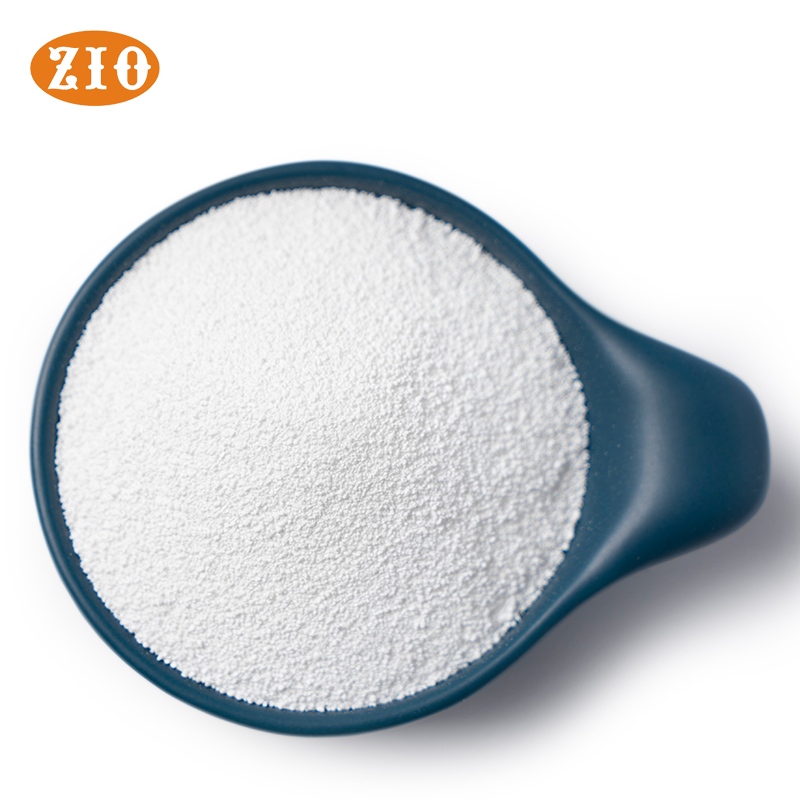
Choosing the correct substitute requires matching the compound’s physical properties to your intended culinary application. Below is a detailed evaluation matrix to guide your selection.
| Category | Primary Examples | Calories | Glycemic Index (GI) | Best Use Case |
|---|---|---|---|---|
| Natural Plant-Based | Stevia, Monk Fruit | 0 | 0 | Beverages, yogurt, cold preparations |
| Sugar Alcohols | Erythritol, Xylitol | ~0.2 - 2.4/g | 0 - 13 | Baking (adds bulk), chewing gum |
| Rare Sugars | Allulose | 0.4/g | 0 | Caramelizing, ice cream (prevents freezing hard) |
| High-Intensity Synthetics | Sucralose | 0 | 0 | Commercial processing, high-heat cooking |
Many beginners attempt to directly swap one cup of regular sugar for one cup of high-intensity sweetener. This approach almost always fails in complex culinary applications. Sucrose does much more than just provide sweet flavor. It contributes crucial structural bulk, retains moisture, and triggers the Maillard reaction necessary for browning baked goods. High-intensity options like pure stevia extract only provide sweetness. If you try to bake a cake using only stevia, the resulting texture will resemble dry cardboard. Successful baking requires structurally similar replacements, such as erythritol blends or allulose, which recreate the necessary physical chemistry.
Sugar alcohols introduce unique digestive challenges. Because your small intestine cannot fully absorb them, they travel intact to the large intestine. Here, they exert an osmotic effect, pulling water into the bowel. Fermentation by gut bacteria can also produce excess gas. You must manage this by introducing them gradually. Start with small doses—perhaps a single teaspoon in your morning coffee—and allow your gut microbiome time to adjust. Most individuals build a comfortable tolerance over a few weeks, preventing any unexpected gastrointestinal distress.
Refined sucrose essentially hyper-stimulates the sweet receptors on your tongue. When you eat modern processed foods daily, your palate becomes desensitized to natural sweetness. Removing this highly addictive substance from your daily diet requires patience. You must set realistic expectations regarding the timeline for taste bud adaptation. Typically, it takes roughly 14 to 21 days for your neurobiology to recalibrate. During this window, a sugar-free sweetener might taste slightly artificial or insufficient. Push through this adaptation phase. Soon, your palate will regain its sensitivity, allowing you to fully appreciate subtle, natural flavors again.
Choosing to eliminate refined sucrose is a fundamentally positive trade-off for your metabolic health. By stabilizing insulin, reducing empty calories, and protecting dental enamel, you significantly lower your risk of chronic disease. However, success depends entirely on selecting the right compound for your specific use case. You must balance culinary requirements, digestive tolerance, and personal taste preferences to make the transition sustainable.
To begin your transition smoothly, follow these actionable next steps:
A: Most modern zero-calorie substitutes do not cause clinically significant insulin spikes. While tasting something sweet can trigger a minor "cephalic phase" insulin release in anticipation of glucose, this response is transient and negligible. Because these compounds do not metabolize into blood glucose, they will not drive the sustained insulin surges associated with metabolic syndrome.
A: Yes, they are highly safe for daily use when consumed responsibly. Health agencies like the FDA and EFSA have established Acceptable Daily Intake (ADI) guidelines through rigorous toxicology testing. These limits include a massive safety margin. You would need to consume highly unrealistic quantities daily to exceed these established safety thresholds.
A: Stomach upset typically stems from sugar alcohols like xylitol or erythritol. Your body cannot fully digest these carbohydrates. As they enter the large intestine, they pull in water through an osmotic effect and undergo bacterial fermentation. This process can produce gas, bloating, and laxative effects if consumed in large quantities too quickly.
A: Allulose and Erythritol blends stand out as the premier choices for heat applications. Unlike high-intensity extracts, these compounds provide the physical bulk and moisture retention necessary for proper crumb structure. Allulose particularly excels because it caramelizes and browns exactly like real sucrose, making it perfect for cookies and cakes.


